Guiding the Green Transition: Environmental Marshals at UK Outdoor Events

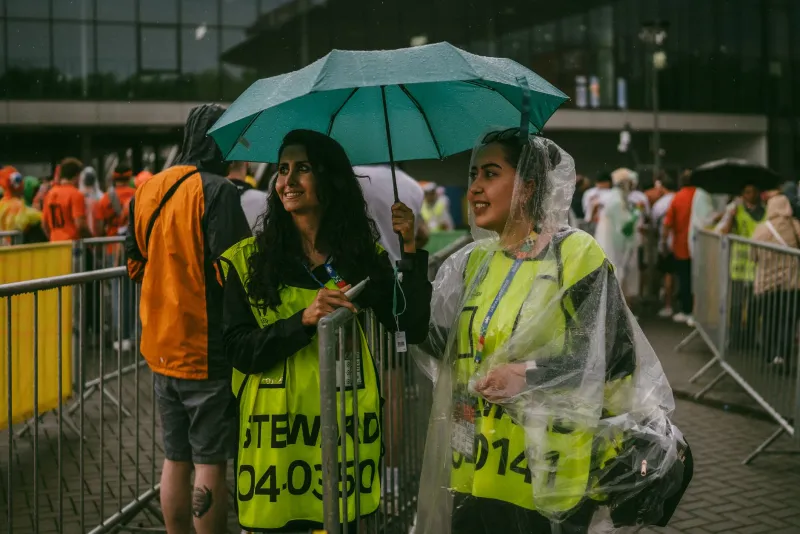
Photo: environmental marshal at UK festival recycling bins waste segregation outdoor event, via bloximages.newyork1.vip.townnews.com
Sustainability commitments are now written into many UK event briefs. Organisers publish targets on waste, transport and emissions, and local authorities increasingly ask for evidence of environmental management. Yet a recycling point is only as effective as the person standing beside it. The environmental marshal role has emerged in response: a visible, helpful presence that guides attendees towards better choices without turning the event into a rule-enforcement exercise.
More than a bin monitor
The environmental marshal is not simply a litter picker with a clipboard. The role combines wayfinding, customer service and light-touch education. At festivals, fairs and outdoor gatherings, these marshals are stationed at waste zones, campsite exits and busy food areas. They help people understand which bin takes which item, answer questions about reusable cups and direct people to water refill points. They can also report overflowing bins, blocked drains and contamination hot spots before those problems become costly. The emphasis is on assistance, not surveillance.
Waste segregation and the contamination problem
Waste contractors charge for contamination. A single bag of general waste in a recycling stream can divert an entire load. Clear signage helps, but behaviour improves when someone is present to explain. Environmental marshals should be briefed on the local waste contract, the materials accepted and the most common mistakes. They should know what to do when a bin is contaminated: report it, isolate it where safe, and avoid public confrontation. The goal is to improve the quality of recycling, not to shame individuals. In 2026, with more events publishing waste data, accurate segregation is both an environmental and a financial issue.
Mapping litter hot spots
Litter does not fall evenly. Food courts, stage exits, smoking areas and campsite boundaries generate predictable hot spots. Environmental marshals can be deployed to these areas at peak times, combining proactive messaging with rapid response. A marshal who points out the nearest bin is more effective than a sign alone. Live reporting from the ground can help the operations team redirect cleaning crews before litter spreads into surrounding streets. Post-event litter surveys should inform the next year’s deployment plan, rather than being filed away as a compliance document.
Fuel, transport and the wider footprint
The environmental marshal’s remit can extend beyond waste. At park-and-ride sites and coach parks, marshals can support messaging on shuttle buses, lift-sharing and engine idling. They are not there to enforce idling rules, but they can politely remind drivers to switch off engines while waiting. Clear signage and a calm approach are usually enough. Where events have public transport partnerships, marshals can help direct people to the right service and reduce the number of solo car journeys. These small interventions contribute to the wider emissions picture without requiring a technical sustainability qualification.
Briefing without becoming eco-police
The tone of the role is critical. Attendees who feel lectured will resist; attendees who feel helped will comply. Briefings should include simple scripts, examples of positive language and clear boundaries. Marshals should not police bins, inspect bags or challenge people aggressively. If someone refuses to cooperate, the marshal should disengage and report the issue rather than escalate. Training should cover conflict avoidance, personal safety and the limits of the role. The message is that environmental marshals are part of the event team, there to make the sustainable choice the easy choice.
Measuring what matters
Environmental marshals generate useful data. Contamination rates, litter density, bin fill levels and attendee questions can all be logged and reviewed. Organisers can use this information to adjust bin locations, signage and staffing for future events. The role also supports compliance with waste duty of care obligations, which require organisations to manage waste responsibly. In 2026, sustainability claims need evidence. A well-briefed environmental marshal team provides both the human touch and the operational record that credible reporting depends on.
Conclusion
Green vests are becoming as familiar as hi-vis jackets at UK outdoor events. The environmental marshal is a practical response to a simple truth: infrastructure alone does not change behaviour. People need guidance, reassurance and a visible point of contact. Handled with the right tone, the role reduces contamination, protects local areas and helps organisers meet their environmental commitments without turning a day out into a test. The most effective environmental marshal is not the one who catches the most mistakes, but the one who makes the right choice feel normal.