Between the Livestock Lines: Ground Teams at Britain's Agricultural Shows
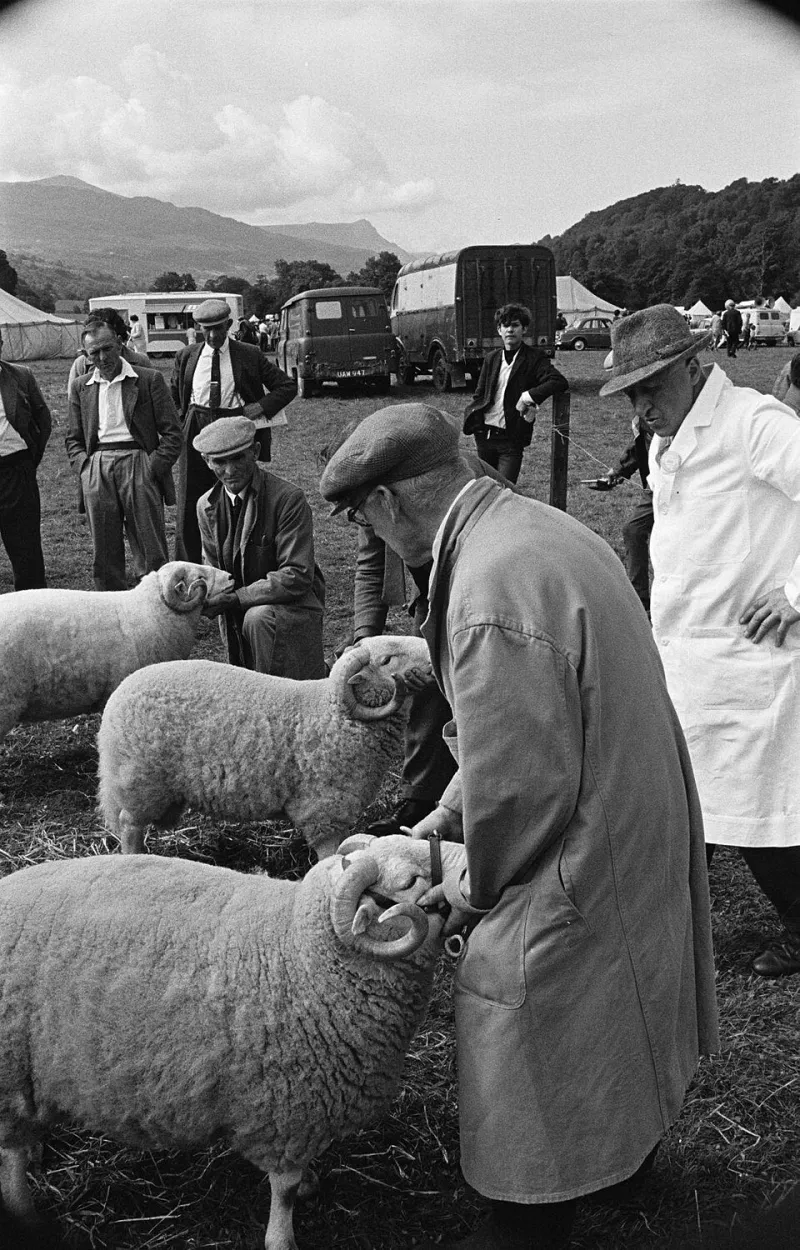
Photo: Geoff Charles, CC BY-SA 4.0, via Wikimedia Commons
A county showground in late summer is a deceptively difficult operating environment. For a few days each year, a working farm or rural estate becomes a temporary town of several thousand people, dozens of heavy vehicles and hundreds of animals. The marquee pegs go into pasture, the car parks are fields, and the main thoroughfare is a track that was designed for a livestock trailer rather than a pushchair. Marshals at these events are not managing a blank canvas. They are managing someone else's workplace.
That distinction shapes everything about how a rural ground team should be recruited, briefed and deployed.
The site is a farm first, a venue second
The most common early failure is treating the showground as though it were a conference centre with grass. It is not. Field drains, gateways, water troughs and fence lines all have a function beyond the event, and a marshal who parks a van over a culvert or blocks a stock gate can create problems that outlast the weekend.
Before the gates open, the operations lead should walk the site with the landowner or farm manager and mark the features that must remain clear. Those points belong on the briefing map in plain language, not just on a CAD plan. It also helps to record which routes become impassable after rain, because the answer is rarely the same on Friday as it is on Sunday.
Tractor routes and the patience they demand
Agricultural shows move slowly. Livestock lorries, vintage tractors, trailer rides and demonstration machinery all share space with pedestrians, and none of them stop quickly. A marshal's job on these routes is largely about separation and timing rather than volume: holding a crowd for ninety seconds so a combine can cross a walkway is worth more than any amount of shouting afterwards.
Practical measures that tend to work include dedicated vehicle windows agreed in advance with exhibitors, a clearly signed pedestrian route that does not cross the main machinery artery, and a marshal positioned at each blind gateway rather than at the centre of the showground. High-visibility clothing should meet the standard the site requires for working near moving plant; a lightweight tabard is not always sufficient.
Car parks that are fields
Mud is the defining risk at a British country show, and it is rarely a surprise. What separates a difficult Saturday from a genuine incident is whether anyone planned for recovery before the first vehicle arrived.
Three things are worth agreeing at the planning stage. First, a traction plan: which fields will be used in which order, and at what point a field is closed rather than churned. Second, a recovery arrangement with a local contractor, with a named contact and an agreed call-out. Third, a briefing that tells marshals what to do when a driver refuses to accept that their car will not make it up a slope. The answer is usually to stop directing traffic into the field and to escalate to a supervisor, not to argue at the window.
Marshals working in car parks should also be rotated frequently. Standing in wet ground for six hours is a welfare issue as much as an operational one, and a cold team makes poorer decisions.
Livestock, public access and the space between
Visitors often do not appreciate that the animals are not an exhibit in a closed hall. Cattle are moved between rings, grooming areas and loading bays, and the public will follow them. The marshal's role is to hold a respectful gap and keep a clear corridor for handlers, without attempting to manage the animals themselves.
That boundary should be explicit in the briefing. Handlers and stewards employed by the show society manage livestock; marshals manage people. Where the two meet, a short, polite instruction backed by a physical barrier such as a rope line or straw bale is far more effective than repeated verbal requests.
Family reunification and the lost child protocol
A large rural site with poor mobile signal is a poor place to improvise a missing person procedure. Country shows need a small number of clearly signed meeting points, ideally at the main gate, the secretary's tent and the first aid post, with a nominated lead at each and a single radio channel for welfare calls.
Marshals should be briefed on what information to gather from a separated parent, how to describe a child to colleagues, and who authorises a site-wide announcement. Anything involving a child leaving the site with an adult should be handled by the event's safeguarding lead, not settled at the gate.
When the weather turns
Summer storms on open ground arrive quickly and create three simultaneous problems: people sheltering under trees and in marquees, standing water on vehicle routes, and a sudden rush for the exits. A pre-agreed trigger for suspending ring displays and opening indoor shelter is more useful than a debate conducted in the rain. Marshals should know the trigger, the shelter locations and the wording of the public address message before the season begins.
Directing people who know the site better than you do
Perhaps the most underestimated skill at a country show is diplomacy. Many visitors have attended for thirty years, many exhibitors are tenants or neighbours, and a fair proportion will be entirely correct about a shortcut that the marshal has been told to close. Being right is not the same as being effective.
Good ground teams handle this by giving marshals a reason they can say out loud — drainage, livestock movement, emergency access — and a route to escalate rather than a script to repeat. The tone set in the morning briefing tends to determine whether the afternoon is calm or confrontational.
Egress is part of the show
The final hour often decides how the event is remembered. Livestock must leave before the public, machinery needs a clear run, and the car parks empty in a slow, uneven flow. Holding the pedestrian gate for ten extra minutes is a small cost compared with a collision between a trailer and a family on a track. Plan the departure sequence as carefully as the arrival, and keep a supervisor on site until the last vehicle has cleared the field.
Country shows reward teams that understand working land. The marshals who do best are not the loudest on the radio but the ones who read the ground, respect the routines of the people who farm it, and keep the public a safe, sensible distance from everything that moves.