When the Lights Go On: A Practical Marshal Blueprint for UK Winter Crowds in 2026
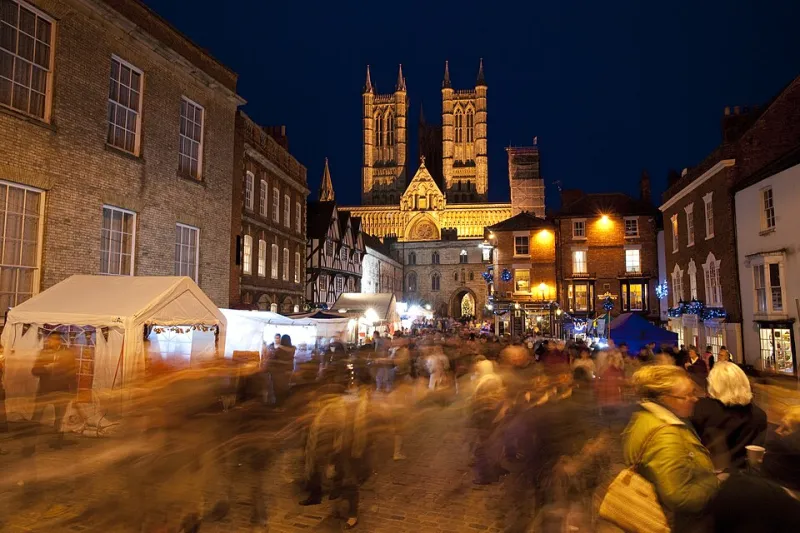
Photo: Virgin Trains East Coast, CC BY 3.0, via Wikimedia Commons
Start with the street, not the stage
Winter events in the UK have a habit of looking simple on a site plan and feeling very different at 16:45 on a dark Saturday in December. A Christmas market, a light switch-on or a festive festival can turn a familiar high street into a tightly packed network of stalls, queues, crossings and temporary barriers. The marshal plan should begin with a walk of the actual route, at the time of day the event will operate, rather than with a stage schedule or a entertainment programme.
Walk the high street from the perspective of a family with a pushchair, a wheelchair user, a delivery driver and someone trying to reach a bus stop. Note where people naturally stop, where they merge, where they turn back and where they cannot see what is ahead. Those are the pinch points that will define the marshal deployment. In many town centres the critical locations are not the main attraction at all: they are the narrow pedestrianised section beside the market stalls, the taxi rank, the entrance to the multi-storey car park, the crossing near the bank and the bus stop that remains in service throughout the event.
Designing crowd flow around pinch points
Crowd flow is easier to manage when the layout gives people obvious choices. One-way pedestrian systems, clearly marked queuing zones, separate entry and exit routes, and keep-clear corridors for emergency access should be agreed before marshals are positioned. Barriers can support a plan, but they cannot replace one; a line of metal fencing without a marshal at the decision point often creates a new problem rather than solving an old one.
Marshals should be placed where people hesitate, not where they are merely visible. A marshal at the entrance to a market aisle can guide visitors, answer questions and spot congestion before it becomes pressure. A marshal halfway down the same aisle may be popular with the public but can become an obstruction. For switch-on moments and scheduled performances, consider a hold-and-release approach at key junctions, with supervisors empowered to pause movement briefly and then release it in controlled phases. Accessible routes should be mapped, signed and kept clear, and temporary lighting should be checked for glare, dark spots and trip hazards.
Weather contingency that actually works
UK winter weather rarely respects a run sheet. Wind, rain, ice, snow and early darkness can all change the character of an event within an hour. The contingency plan should have trigger points rather than vague intentions. Who decides to delay a switch-on? Who authorises a temporary closure of a market aisle? Who communicates with stallholders, contractors and the public? Those decisions should be written down and briefed before the event, not negotiated on the radio at the moment of disruption.
Marshal welfare is part of operational resilience. Cold, wet marshals make poor decisions. Rotas should include sheltered rest periods, warm drinks, waterproof radios and high-visibility clothing that remains effective in low light. Supervisors should monitor Met Office warnings and local conditions, including ice on temporary walkways and wind exposure around inflatable structures or signage. If gritting is required, agree in advance who is responsible and how it will be done without moving crowds into an unlit area. A short, clear public announcement about a delay is almost always better than silence.
Briefing routines: consistency over volume
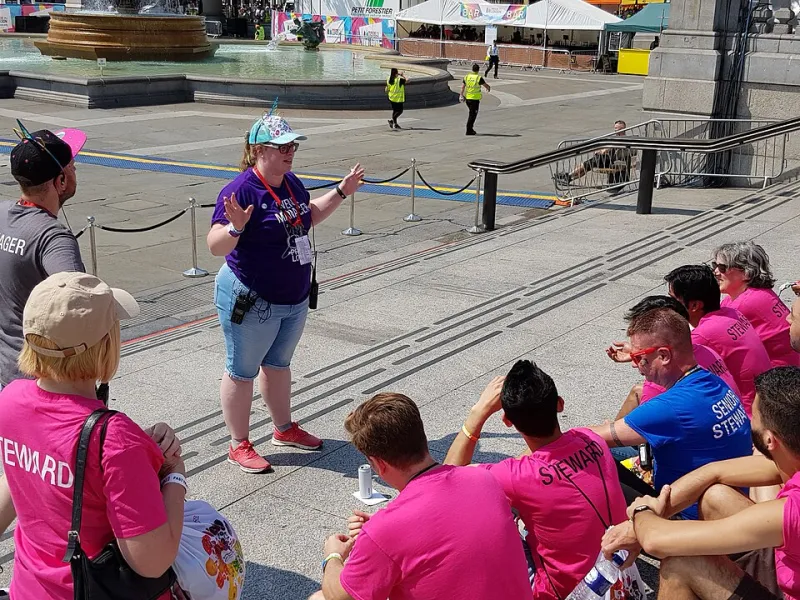
A marshal team is only as good as its briefing. The pre-event briefing should be short enough to be remembered and specific enough to be useful. Cover the layout, each marshal's position and relief, radio channel and call signs, reporting lines, welfare arrangements and the limits of the role. A written aide-memoire, carried in a pocket or fixed inside a tabard, is more reliable than a lengthy verbal briefing delivered in the cold.
Use a standard sequence: where you are, what you are doing, when you are relieved, who you report to and what you must not do. Supervisors should walk the site with marshals before the public arrives, pointing out pinch points, emergency routes and escalation contacts. A second briefing before the busiest period can reinforce changes. Sign-in and roll call matter, not as bureaucracy but as a way of knowing who is on site if conditions deteriorate. The briefing should also include a clear instruction that marshals do not physically intervene; they observe, report, guide and escalate.
Working with councils and emergency services
Early engagement with the local authority is essential. In many areas the Safety Advisory Group, licensing team, highways authority and emergency services will expect to see the event management plan, crowd management arrangements and communication structure well before the event. Temporary Traffic Regulation Orders, road closures, bus diversions and parking suspensions take time to arrange and should not be treated as last-minute details.
A joint walk-through with council officers and emergency services can reveal issues that a site plan hides. Agree how the event control room will communicate with police, fire and ambulance colleagues, and make sure radio interoperability or a fallback contact list is tested. Escalation thresholds should be shared: what constitutes a report, what requires a supervisor, and what requires immediate contact with the emergency services. After the event, a short debrief with marshals, council officers and partners will capture lessons for the next winter season.
A final checklist for 2026
Before the first stall opens, confirm that pinch points have been walked and mapped; that marshals have written role cards and a clear briefing; that weather triggers and welfare arrangements are agreed; that council and emergency service contacts are live; and that every marshal understands the boundary between guidance and enforcement. Winter crowds are manageable when the plan is practical, the briefing is consistent and the team on the ground knows exactly where it stands.