Goodwill Under Strain: Reassessing the Volunteer Marshal Model in the UK
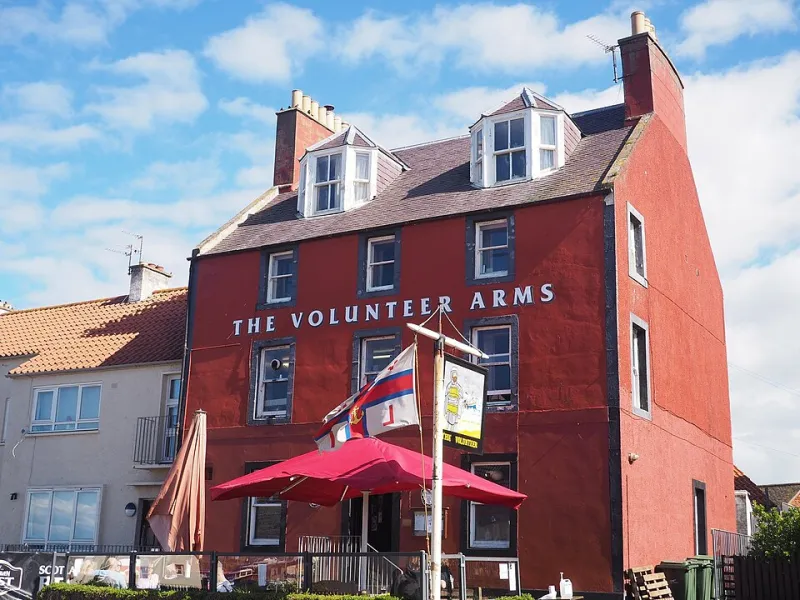
Photo: Jennifer Petrie , CC BY-SA 2.0, via Wikimedia Commons
Volunteer marshals have long been part of the UK event landscape. They staff car parks, direct queues, check wristbands and provide the friendly face that turns a field into a functioning site. But as expectations around safety, accessibility and professionalism rise, organisers are asking a harder question: can an unpaid workforce still deliver the reliability that modern events demand?
A thinner bench
The pressures on volunteer recruitment are well documented. Changing work patterns, rising travel costs, a reluctance to commit a full day without expenses, and competition from festivals, sports clubs and local charities all draw on the same pool of goodwill. The pandemic accelerated a shift that was already under way: people who once marshalled every summer have reassessed how they spend their weekends. In 2026, many organisers report that filling rotas is less a case of sending one email and more a case of sustained campaigning.
That matters because marshalling is not a casual add-on. A marshal who fails to turn up can leave a gate under-staffed, a crossing point unmanaged or a queue without direction. The operational risk is rarely dramatic, but it is cumulative. Small gaps in coverage create confusion, and confusion in a crowd can escalate quickly.
The cost calculation
The appeal of unpaid marshals is obvious: lower direct labour costs. Yet the true cost of a volunteer-led model is rarely zero. Organisers must fund recruitment, briefing materials, refreshments, travel expenses, high-visibility clothing, insurance cover and supervision. They must also absorb the management time spent chasing confirmations and filling last-minute drop-outs. When those costs are added up, the gap between a volunteer team and a paid team narrows — particularly for events where reliability is critical.
The comparison is not simply financial. Paid staff can be contracted to arrive at a set time, complete a specified briefing and remain on site for the full shift. Volunteers may have the same commitment in spirit, but they are not employees. They can leave, arrive late or decide that a rainy forecast is no longer appealing. That is not a criticism of volunteers; it is a recognition of the different nature of the relationship.
Training and consistency
A recurring concern is consistency. Volunteers often receive a shorter briefing than paid staff, and many will work only one or two events a year. They may not know the site, the crowd profile or the escalation route for a medical incident. In a well-run event, that is manageable when volunteers are placed in simple roles with clear supervision. It becomes risky when they are asked to make judgement calls at a busy entrance or to manage a conflict without support.
The answer is not to abandon volunteers but to be honest about role boundaries. Volunteers can be excellent at wayfinding, queue smoothing, wristband checks and providing a welcoming presence. They should not be treated as a substitute for trained supervisors, security personnel or medical staff. Clear role descriptions, a minimum briefing standard and a named supervisor for every volunteer team are basic safeguards.
Insurance and duty of care
Organisers sometimes assume that because volunteers are unpaid, the legal and insurance picture is simpler. It is not. Event organisers still owe a duty of care to volunteers and to the public, and public liability cover must be checked carefully to confirm that volunteer marshals are included. Health and safety law does not stop applying because someone is helping for free. Questions of competence, supervision and safe systems of work remain relevant.
There is also the reputational dimension. A volunteer who feels unsupported, undertrained or exposed to aggression is unlikely to return. Word travels quickly in local networks, and a poor experience can shrink next year's pool before recruitment even begins. Good volunteer management is therefore not a soft extra; it is part of operational resilience.
A hybrid model that works
The most credible way forward is a hybrid model. A paid core team — supervisors, sector leads, access marshals and comms-trained staff — provides the spine of the operation. Volunteers are then deployed in clearly defined roles around that spine, with expenses paid, training provided and a visible support structure. This blend preserves the community spirit and local knowledge that volunteers bring while ensuring that critical decisions sit with people who are trained, contracted and accountable.
For organisers, the practical steps are straightforward. Budget for volunteer expenses and training rather than treating them as optional. Write role cards that distinguish between volunteer tasks and those requiring paid, trained staff. Build a supervision ratio into the plan. And measure volunteer retention, not just recruitment, because experience is the best predictor of whether people will return.
At Marshals Group, the lesson we see on the ground is consistent: goodwill is valuable, but it is not a substitute for structure. The question for UK events in 2026 is not whether volunteers still have a place. It is whether organisers are willing to support them properly enough for that place to be safe, reliable and sustainable.