Relief Without Gaps: Planning Marshal Welfare Across Long UK Event Days
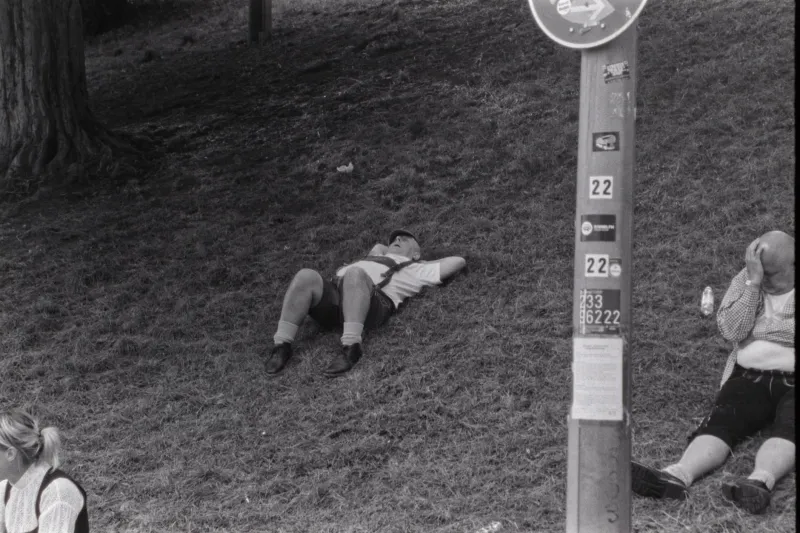
A marshal team can look fully briefed at 08:00 and be quietly depleted by 16:00. The visible line may still be in position, but attention has narrowed, patience has shortened and the willingness to escalate a small issue has faded. On long UK event days, that decline is rarely caused by a single dramatic failure. It is usually the product of relief that was assumed rather than planned.
Most event operations files contain a briefing, a site plan and a radio schedule. Fewer contain a written relief plan. That omission is difficult to defend. A briefing tells people what to do; a radio schedule tells them how to communicate; a relief plan tells them how they will remain capable of doing both. For organisers relying on marshals across a full day, it deserves the same status.
Relief is an operational control, not a staff perk
It is tempting to treat breaks as a welfare matter that sits outside the main event plan. In practice, relief is a control on performance. A marshal who has not sat down, eaten or warmed up is less able to scan a crowd, give clear directions or recognise when a situation is changing. The risk is not simply discomfort. It is slow decision-making, inconsistent messaging and avoidable escalation.
A written relief plan also protects the organiser. It shows that rest, hydration and fatigue have been considered in advance, not improvised when someone asks. It gives supervisors a shared basis for moving people without stripping a position. And it makes the visible team more stable, because relief is built into the day rather than taken from the line at the moment pressure rises.
Begin with the shape of the day
The first step is not a rota. It is a realistic map of the event day. Record gate opening and closing times, peak arrival and departure windows, scheduled performances or ceremonies, forecast weather and the periods when the site is likely to be busiest. Then mark the points at which each marshal position must be occupied without interruption.
This map should distinguish between fixed posts and roaming roles. A ticket check at a gate may need continuous cover. A roaming information marshal may be able to move to a relief point with less disruption. The plan should also identify low-risk windows when relief is easier to take and high-risk windows when it should be avoided unless a supervisor authorises it.
UK event days add variables that are easy to underestimate. A warm summer afternoon, a sudden rain shower, a cold coastal wind or an early winter dusk can all change the welfare requirement within an hour. The relief plan should therefore be weather-aware, not a fixed timetable that ignores conditions on the ground.
Set a relief ratio that the team can actually deliver
There is no universal ratio that suits every event. A small community gathering and a large outdoor show have different demands. What matters is that the ratio is written down, explained and tested against the number of positions that must remain filled.
A useful starting point is to calculate cover in three layers:
- Core posts: positions that cannot be left empty at any point during the operating window.
- Relief pool: marshals who are not permanently assigned to a post and can rotate into core positions.
- Supervisory cover: a named person responsible for authorising relief and recording when it happens.
If the relief pool is too small, the plan will fail at the first absent marshal or delayed break. If it is too large, the visible team may be thinner than the event requires. The aim is not to create an invisible workforce. It is to design a rotation that preserves the line while allowing individuals to recover.
Make shelter, warmth and water part of the site plan
Welfare planning often stops at the words 'rest area'. A rest area is only useful if it is accessible, sheltered and known to the team. For long UK event days, the plan should identify a relief point that is close enough to the posts it serves, protected from wind and rain, and supplied with drinking water. In colder months, warmth and a dry place to sit matter as much as refreshment.
Hydration should not depend on marshals carrying their own bottles without refill arrangements. Warmth should not depend on people standing in a draught because the welfare tent is on the far side of the site. The plan should state where water is available, who is responsible for checking supplies and how frequently the relief point is inspected.
Cover without thinning the visible team
The central tension in relief planning is simple: people need to step away, but the event still needs to be seen to be managed. The answer is not to discourage breaks. It is to design rotation so that cover is predictable.
One practical method is staggered relief. Instead of releasing a whole group at the same time, supervisors rotate individuals or pairs at agreed intervals. This keeps positions occupied and avoids a visible gap at the gate or along a crowd route. Staggered relief works best when the sequence is written down and briefed in advance, so marshals know when their turn is likely to come.
A second method is relief by function. Where roles allow, a marshal can move from a lower-risk information position to a core post while another takes a break. This requires clear handover, but it prevents the relief pool from becoming a queue of people waiting for a single supervisor to make a decision.
Watch for fatigue triggers, not just clock times
A relief plan should include observable triggers that tell supervisors to act before performance deteriorates. These may include repeated requests for clarification, slowing response times, loss of radio discipline, visible discomfort in cold or wet conditions, or a marshal reporting that they are struggling. The plan should name who can authorise additional relief and where that person can be found.
Fatigue is not always obvious. A marshal may remain polite and upright while becoming less effective at reading a crowd. Supervisors should be briefed to check on people during relief handovers, not only when something appears wrong. A short welfare check at the relief point can identify a problem before it becomes an operational one.
Record relief as part of the event record
The relief plan should be completed, not merely circulated. Supervisors should record when breaks are taken, who covered which position and any occasions when relief was delayed. Those records help the event team review whether the ratio was realistic and whether particular posts are consistently difficult to relieve.
For Marshals Group and the teams it supports, the principle is straightforward: a visible marshal is only useful if they are capable of remaining visible. Relief planning is not a softer alternative to operational discipline. It is part of it. A written plan for rest, hydration, warmth and fatigue cover keeps the team in place, keeps the line intact and gives the event day a better chance of holding its shape from first gate to final egress.