Clearing the Ground: A Disciplined Approach to UK Event Egress
Most event plans are judged on how smoothly a crowd enters. The measure that matters at the end of the day, however, is how safely and calmly people leave. In 2026, UK event organisers face a more complex egress environment than ever: mixed transport modes, constrained road networks, late-night licensing conditions and residential neighbours who expect their streets back on schedule. The final hour is not an afterthought. It is an operational discipline in its own right.
Planning egress before the gates open
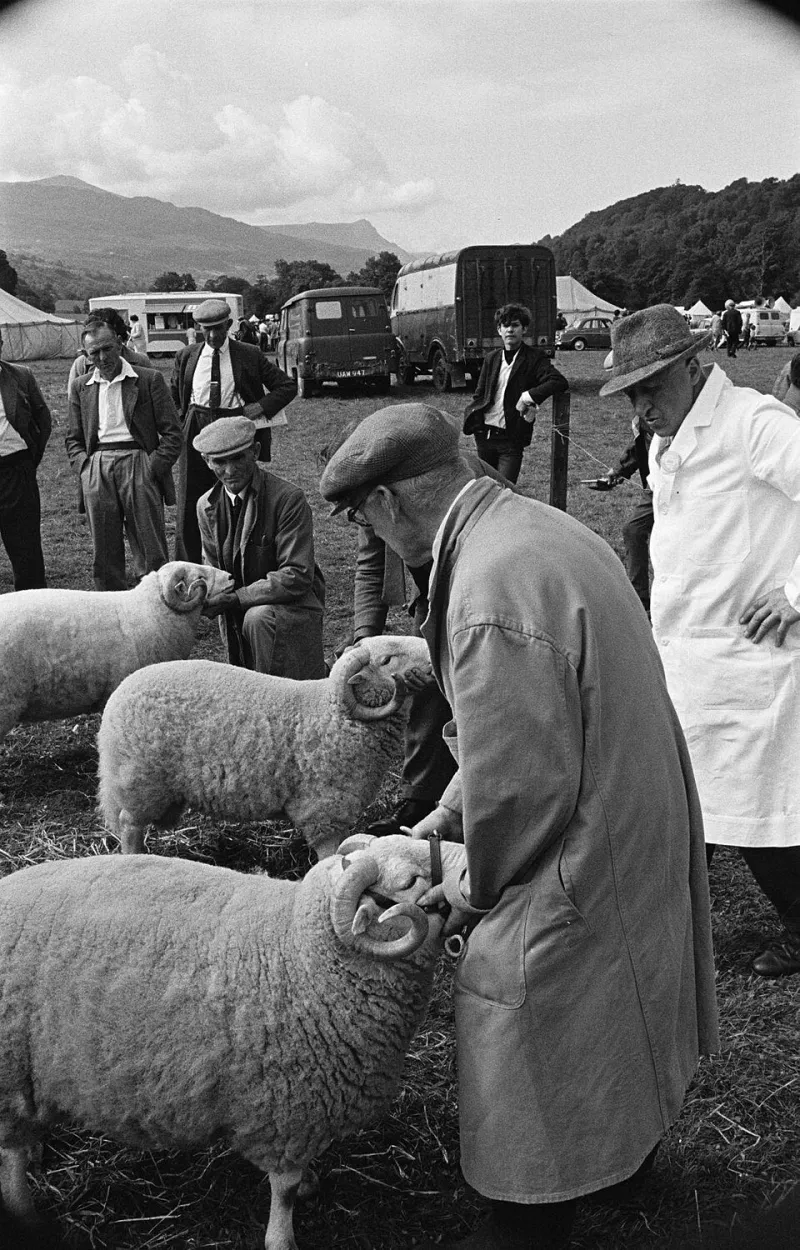
Egress planning should begin alongside ingress planning, not after the site plan is fixed. Marshal managers need to understand the event profile: audience age, arrival patterns, reliance on public transport, coach numbers and the likely spread of departure times. A music festival, a county show and a city centre race all produce different exit rhythms. The egress plan should be tested against transport schedules, including last trains, bus replacement services and taxi availability. Local authority safety advisory groups and police will expect to see how queues will be held, how pedestrians will be separated from vehicles and how contingency routes will be opened if a transport provider fails.
Taxi ranks and private hire pick-ups
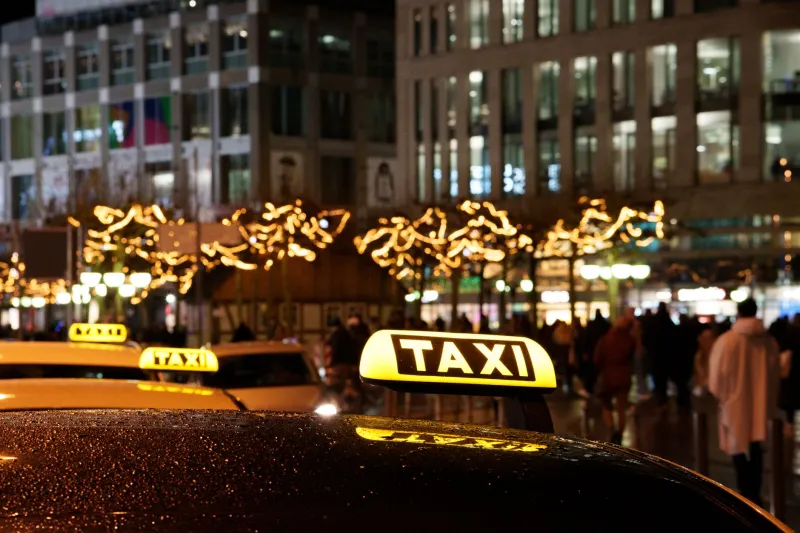
The taxi rank is often the most visible pressure point. Without a managed queue, informal pick-ups spread into surrounding streets, creating congestion and tension with residents. A designated rank, clearly signed and staffed by marshals, gives people a predictable place to wait. Marshals can keep the queue orderly, help vulnerable people, and maintain a clear route for vehicles. Private hire apps are harder to govern: passengers may be directed to random pick-up points by their phones. Marshals cannot control app behaviour, but they can use signage, public address messaging and a visible presence to steer people towards safe waiting areas. Where possible, event organisers should agree a geofenced pick-up zone with operators in advance.
Coaches, park-and-ride and the stranded passenger risk
Coach parks require their own choreography. Departure boards, loading bays and group assembly areas should be briefed to marshals and communicated to passengers before the event. Park-and-ride sites need particular attention at the end of the night. The last buses can become flashpoints if demand exceeds capacity. Marshals should have a direct line to the transport manager and a clear escalation route if queues are not clearing. Contingency planning should include holding areas, welfare support and a realistic assessment of how many people might be left behind. Promising a seamless service is less important than being honest about waiting times and keeping people safe while they wait.
Residential sensitivities
Many UK events take place close to homes, and the final hour is when neighbourly goodwill is most tested. Noise, litter, parking and anti-social behaviour can all escalate as crowds disperse. Marshals act as ambassadors here. Quiet routes, clear signage and a visible presence at key junctions can reduce friction. A resident liaison line, publicised in advance, gives neighbours a way to report issues. Post-event sweeps should include surrounding streets, not just the event footprint. The aim is not to police residents but to demonstrate that the event is a considerate tenant of the local area.
Briefing the team for the final hour
The egress briefing should be specific. Marshals need to know their positions, the timing of transport departures, the location of welfare points and the escalation contacts. Radio discipline matters: clear, brief messages and no unnecessary traffic. Team leaders should monitor fatigue, especially on multi-day events, and rotate staff where possible. The boundary between marshalling and security must remain clear; marshals should not be asked to detain or search people. A short debrief after each day can capture problems while they are fresh and feed improvements into the next event.
Conclusion
A successful event is not over when the headline act leaves the stage. It is over when the last coach has departed, the taxi queue has cleared and the surrounding streets have returned to normal. Marshalling the exodus requires the same planning, briefing and calm coordination as managing the arrival. In 2026, UK organisers who treat egress as a core operation, rather than a loose end, will protect their reputation with attendees, transport partners and the communities that host them.