Proportion, Not Habit: Right-Sizing Marshal Cover for the UK Village Fete
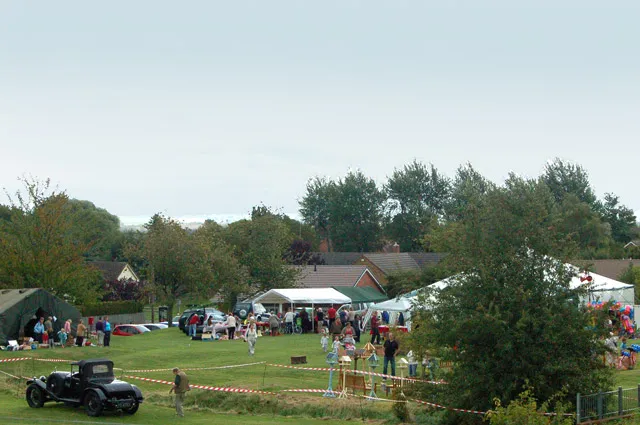
Photo: Andy F, CC BY-SA 2.0, via Wikimedia Commons
The village fete is one of the most familiar events in the UK calendar, and one of the most frequently mis-planned. It is not a small version of a county show, and it is not automatically a low-risk occasion simply because the proceeds go to the church roof. A field, a car park, a lane, a bouncy castle and a duck race can produce a genuine set of operational questions. Too often, the answer is a marshal plan built by habit.
The two familiar failures
Over-marshalling is easier to spot than to admit. It looks like three people at a gate that needs one, a car park team with no clear lead, and a committee member who has been given a tabard but no brief. It creates an impression of safety without the substance of it. Under-preparation is quieter. It leaves the car park exit to whoever is free, assumes the lane will look after itself, and discovers at 2pm that no one knows who is responsible for the lost-child point.
Both failures come from the same source: cover is designed around roles that have always existed rather than around the ground conditions that actually apply. A proportionate plan starts with the site, not the programme.
Begin with the ground
A risk-based approach asks a few plain questions. Where do vehicles meet people? Where is the narrowest point on the access lane? What happens if the field is wet and the car park becomes soft? Where would an ambulance need to go? Which stall is closest to the road? Is there a water hazard, a livestock boundary or a temporary structure with a queue beside it?
The answers should shape the marshal plan. A village fete on a closed green with a separate car park needs a different deployment from a fete on a working farm with a public lane running through it. The number of marshals is less important than their placement and their instructions.
Combine roles, but record the combination
Small events cannot justify a separate person for every function, and they should not try. A car park marshal can also be the welcome steward if the arrival window is spread out. A gate marshal can also keep an eye on the raffle queue if the two are visible from one another. Combining roles is sensible, provided the combination is written down and the person knows which duty takes priority.
The danger is the silent combination. A marshal who is nominally on the gate but in practice running the tombola has no real task. The briefing should state the primary post, the secondary observation and the trigger for leaving one for the other.
Local knowledge is a control
The parish councillor who knows which farmer uses the lane at milking time is not a decorative committee member. They are part of the control measure. The village hall caretaker who knows where the stopcock is, the resident who knows which delivery arrives on a Saturday, the organiser who knows that the field gate sticks in wet weather: all of this is operational intelligence.
Local knowledge should be recorded, not assumed. A short site walk with the people who know the ground is worth more than a generic checklist completed at a kitchen table. It also helps to identify the quiet risks that visitors will not see.
Keep a floating reserve
The most useful marshal at a small event is often the one without a fixed post. A floating reserve can cover a break, respond to a lost child, check the car park exit after rain, or stand in for a steward who has been drawn into a queue. The reserve should be a named person, not a vague promise that someone will keep an eye on things.
A proportionate plan does not need a large standby layer. It needs one honest contingency and a clear instruction for when to call for help. That is enough to turn an unexpected problem into a manageable one.
Proportion is a professional standard
Right-sizing is not about doing the minimum. It is about matching resource to risk, and being able to explain the match. A well-run village fete should be able to say why each marshal is where they are, what they are watching and who they report to. That is a more defensible standard than a copied plan from a larger event, and a more useful one than a tabard and good intentions.